Slay the Spire 2 is in early access and brutal on your first run. This beginner's guide covers which character to start with, why a small deck wins, the two debuffs that carry you, and the new mechanics returning players keep ignoring.

This post may contain affiliate links from places like Amazon and Green Man Gaming, and we may earn a small commission when you click these links. All earnings will go to keeping this website as minimally ad-free as possible.
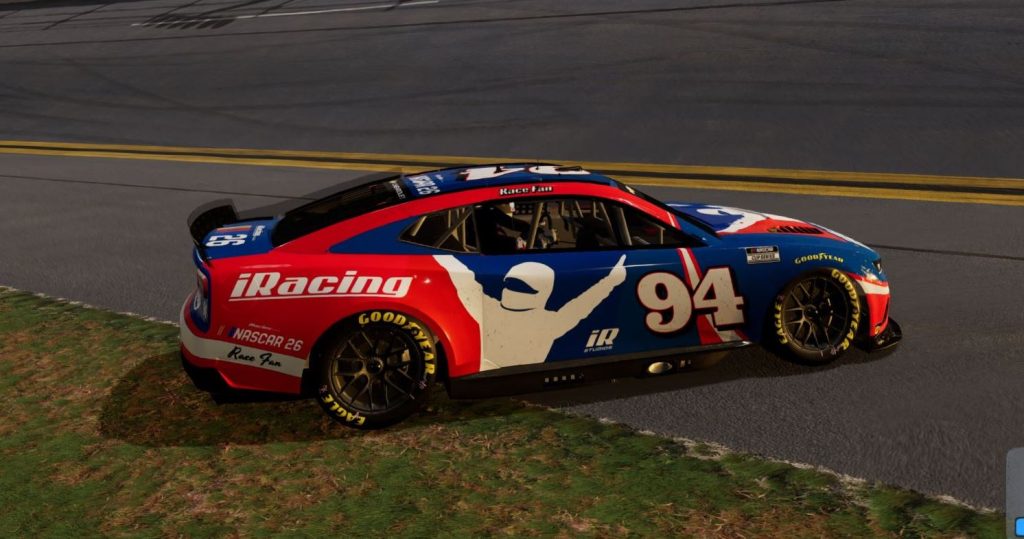
You have dialed in your controls, your wheel, and your frame rate, and you can hold a clean line. The next level in NASCAR 26 is the garage, and it is where a lot of players freeze up, because a wall of sliders looks like homework. It is not.
Car setups come down to one question you ask after every corner: is the car tight or loose? Answer that, and every adjustment in the garage becomes obvious.
This is the whole vocabulary of car setups, so learn it first.
You want the car as loose as you can control without spinning, because a car that rotates is a car that carries speed. Every setting below either tightens the car or loosens it. That is all you are doing in the garage: nudging the balance between push and spin.
| ➔ Tip: Tune for the end of the run, not the start. The mistake new tuners make is perfecting the car on fresh tires. By lap thirty those tires are gone, and a car that was neat early is now a handful. Build it to be slightly loose on fresh rubber so it comes to you as the tires fade, and your long runs get far stronger. |
Do not start from a blank setup. Take the game's stock setup, run a few laps, and adjust toward what the car is doing wrong. Change one thing at a time.
| The car is... | Do this |
| Tight, will not turn in the center | Take out wedge, raise the track bar, soften the front |
| Loose on corner exit | Add wedge, lower the track bar, stiffen the rear |
| Loose on entry, snaps on braking | Move brake bias forward a little |
| Pushing up the track off the corner | Take out a touch of wedge and check rear tire pressure |
| Locking the brakes into corners | Move brake bias forward, or brake a touch earlier |
| Hitting the rev limiter mid straight | Run a taller final gear |
NASCAR 26 setups are not a dark art. Decide whether the car is tight or loose after the corner, reach for wedge first and the track bar second, match your gearing and brake bias to the track, and change one thing at a time.
Keep the car as loose as you can hold, because speed lives in rotation. Do that and the garage stops being intimidating and starts being where you find the tenths that move you up the order.
What does tight and loose mean in NASCAR 26?
Tight means understeer, the nose will not turn and the car pushes up the track. Loose means oversteer, the rear steps out and wants to spin. Every setup change either tightens or loosens the car.
What is the most important setup adjustment?
Wedge, also called cross weight. More wedge tightens the car, less loosens it. It is your main balance dial, so make small changes to it first.
How do I fix a car that will not turn?
It is tight. Take out some wedge, raise the track bar, and soften the front. Change one thing at a time and test again.
Do I need a custom setup for superspeedways?
Not really. At Daytona and Talladega the draft decides the race, so just run the lowest drag, lowest ride height setup for top speed and focus on your drafting instead.
Slay the Spire 2 is in early access and brutal on your first run. This beginner's guide covers which character to start with, why a small deck wins, the two debuffs that carry you, and the new mechanics returning players keep ignoring.
Which troops should you recruit first in Bannerlord? We break down the best early game units by culture and the fastest ways to level them into elite troops without bleeding your army dry.
Barnburners is an upcoming arcade hockey game from solo indie developer In2itiv. We went hands on with the latest build. Here are our early impressions, and how it stacks up against the more deliberate Center Ice Hockey.
SG Racing is a love letter to Super Sprint and the top down racers we grew up with, starring a goose who probably should not have a license. We spent time with a pre release build ahead of its November 2026 launch. Here are our hands on impressions.
Slay the Spire 2 is in early access and brutal on your first run. This beginner's guide covers which character to start with, why a small deck wins, the two debuffs that carry you, and the new mechanics returning players keep ignoring.
Warno - the spiritual successor to Wargame - will come to Early Access on Steam this January 20th.
In the annals of gaming history, my confusion between Zelda and Link shall forever be etched as a testament to the power of misconceptions
Races in NASCAR 26 are won and lost on pit road. Here is how to play the strategy: know your fuel window, pit under caution, choose two tires or four at the right moment, and save fuel to steal track position at the end.
