Slay the Spire 2 is in early access and brutal on your first run. This beginner's guide covers which character to start with, why a small deck wins, the two debuffs that carry you, and the new mechanics returning players keep ignoring.

This post may contain affiliate links from places like Amazon and Green Man Gaming, and we may earn a small commission when you click these links. All earnings will go to keeping this website as minimally ad-free as possible.
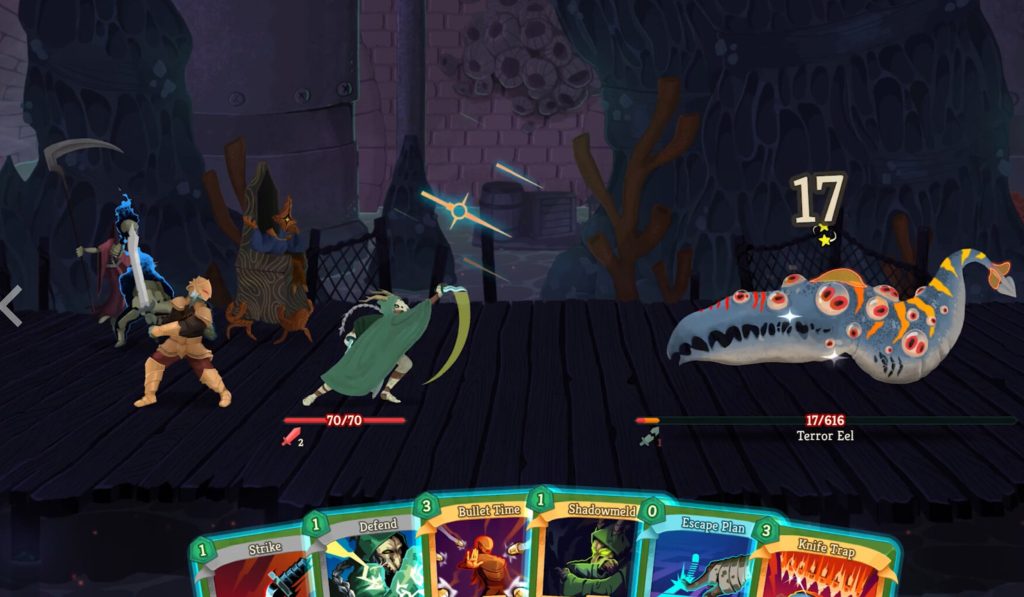
Slay the Spire 2 has been one of the most played games on Steam Deck since it hit early access in March 2026, and for good reason.
Mega Crit took one of the best roguelike deckbuilders ever made and rebuilt it with new characters, new mechanics, and a reworked progression system. It is also, like the original, perfectly happy to crush you on your first run and leave you wondering what went wrong.
This guide is here to shorten that learning curve. If you want your first real victory instead of a string of frustrating deaths, start here.
If you played the original, most of your instincts still apply, but a few things have changed enough to matter. The roster is now five characters: the returning Ironclad, Silent, and Defect, plus two newcomers, the Necrobinder and the Regent, each with their own mechanic to learn.
The Regent in particular plays differently, using a second resource called Stars alongside your normal energy, so some of its cards need both to play.
The bigger shift is under the hood. The game launched with more than 250 relics and a set of new keywords, including Durability, Pierce, and Corrosion, that change how cards and relics behave.
These are exactly the systems that trip up experienced players from the first game, because it is easy to assume you already know the rules and then lose to a mechanic you never read. There is also a cooperative mode and a reworked Ascension system, and Mega Crit has confirmed more cards, events, and extra acts are coming as early access continues.
In other words, it is still growing, so expect the meta to shift between updates.
You can unlock the other characters quickly, but the Ironclad is the right place to begin. He is the most forgiving character in the game: high starting health, straightforward attacks, and a block and smash playstyle that teaches you the core loop without asking you to juggle a complicated gimmick.
His whole identity is dealing damage, soaking hits with Block, and healing a little along the way, which is exactly the kind of margin for error a new player needs. Learn the fundamentals with him first, then branch out to the Silent, Defect, and the two newcomers once the basics feel natural.
This is the single most important lesson in the entire game, and it is the one new players get wrong most often. After every fight you are offered a new card, and the instinct is to grab it. Resist that.
Every card you add dilutes your deck, which means you are less likely to draw the handful of cards that actually win fights. A lean deck of strong, focused cards beats a bloated deck of situational ones almost every time.
Skipping a card reward is not a wasted turn. It is a decision to keep your deck sharp. Only take cards that push a clear plan, whether that is stacking damage, building Block, or leaning into a character mechanic, and happily pass on everything else.
When you reach a shop, spend some gold on card removal to thin out your weak starting cards. A smaller, meaner deck is how you beat the bosses.
Two debuffs do a huge amount of the heavy lifting in Slay the Spire 2, and understanding them early will win you fights you had no business winning.
Vulnerable makes a target take extra damage from your attacks, so applying it before you unload is a massive damage boost. Weak reduces the damage an enemy deals to you, which can turn a punishing hit into something you shrug off.
Against elites and bosses especially, opening with Vulnerable and keeping Weak up is often the difference between a clean win and a desperate scramble. Prioritize cards and relics that apply these, and use them proactively rather than as an afterthought.
New players panic over every point of damage and burn through potions and healing trying to stay at full health. Do not. Your health bar is a resource to spend, not a number to protect at all costs.
Taking ten damage to clear a fight quickly, or to grab a powerful relic from an elite, is usually a good trade. What matters is arriving at the act boss with enough health and a strong enough deck to win, not finishing every small fight untouched. Think of your HP as a budget you spend across the whole act.
Elites are the tougher enemies marked on the map, and they are the engine of your run because they reward relics, which are the permanent upgrades that make a deck truly powerful.
Skipping every elite keeps you safe but weak, and you will hit a wall against the boss. The trick is timing: take on elites when your health and deck are in good shape, and route around them when you are limping.
Hunting elites while you are healthy is how you snowball from a fragile starting deck into something that steamrolls the back half of a run.
Before you take a single step in an act, look at the whole map and plan your path. You are choosing which fights, shops, campfires, and question mark events you visit, and that routing is a real strategic decision.
Try to line up a campfire before an elite or boss so you can rest or upgrade, string together shops when you have gold to spend, and avoid getting funneled into a stretch of hard fights with no recovery in between.
Always leave yourself an out. A little planning at the start of each act prevents the slow bleed that ends most early runs.
This one is aimed at returning players, but new players should bank it too. Durability, Pierce, Corrosion, and the other new relic and card keywords are not flavor text. They change how your effects work, and the fastest way to lose a winnable run is to assume the sequel plays identically to the original.
When a card or relic introduces a keyword you have not seen, hover over it and actually read it. The sequel rewards players who engage with its new systems and quietly punishes the ones who coast on old habits.
Your first win comes down to a simple set of habits. Start as the Ironclad, keep your deck small and focused, lean on Vulnerable and Weak, spend your health like a budget, fight elites when you are strong, plan your route each act, and read anything new before you rely on it.
None of these are complicated, but together they turn Slay the Spire 2 from a game that feels unfair into one that feels winnable. The depth is still there waiting once you are ready for higher Ascension levels and the trickier characters, but these fundamentals are what carry you to that first victory.
Is Slay the Spire 2 out yet?
It is in early access on Steam, where it launched on March 5, 2026, for Windows, macOS, Linux, and Steam Deck. There is no console version announced yet. Because it is in early access, Mega Crit is still adding cards, events, and extra acts, so the content and balance will keep changing.
Which character should a beginner pick in Slay the Spire 2?
The Ironclad. He has high health, simple attacks, and a block and smash style that teaches the core loop without a complicated gimmick. Once the basics feel natural, move on to the Silent, Defect, and the two new characters, the Necrobinder and the Regent.
What is the most important beginner tip?
Keep your deck small. Do not take every card you are offered, because each extra card makes it harder to draw the ones that win. Skip weak rewards, remove weak starting cards at shops, and build around a clear plan.
What is new in Slay the Spire 2 compared to the first game?
Two new characters (the Necrobinder and the Regent), over 250 relics, new keywords like Durability, Pierce, and Corrosion, a cooperative mode, and a reworked Ascension system. The new keywords are the main thing that catches returning players off guard.
Slay the Spire 2 is in early access and brutal on your first run. This beginner's guide covers which character to start with, why a small deck wins, the two debuffs that carry you, and the new mechanics returning players keep ignoring.
Which troops should you recruit first in Bannerlord? We break down the best early game units by culture and the fastest ways to level them into elite troops without bleeding your army dry.
Barnburners is an upcoming arcade hockey game from solo indie developer In2itiv. We went hands on with the latest build. Here are our early impressions, and how it stacks up against the more deliberate Center Ice Hockey.
Unraveling the Tapestry of Cyberpunk: A Fusion of Technology, Society, and Futuristic Aesthetics
Embark on an Epic Journey in "Outcast - A New Beginning" – Pre-Order Now for Exclusive Discounts!
Dive deep into the mysteries of the universe with the enigmatic tale of Travis Walton's alleged alien encounter.
Your RTX card runs DLSS in every other game, but in NBA 2K27 the option is greyed out. Here is the reason: NBA 2K27 uses NVIDIA's new DLSS 5 Neural Rendering, which at launch works only on RTX 50-series cards. A clear breakdown of which GeForce cards support it, why yours might not, and how to fix it if it should.
Master unique fighting styles, unravel a classic revenge tale, and relive the glory days of kung fu cinema – all without pulling a hamstring.
